Childhood Memories
There are questions that seem simple at first glance, yet possess the power to awaken an entire realm of memories long asleep within our hearts. The Childhood Memories collection was born from just such a question:
“Mom, what games did you play when you were little?”
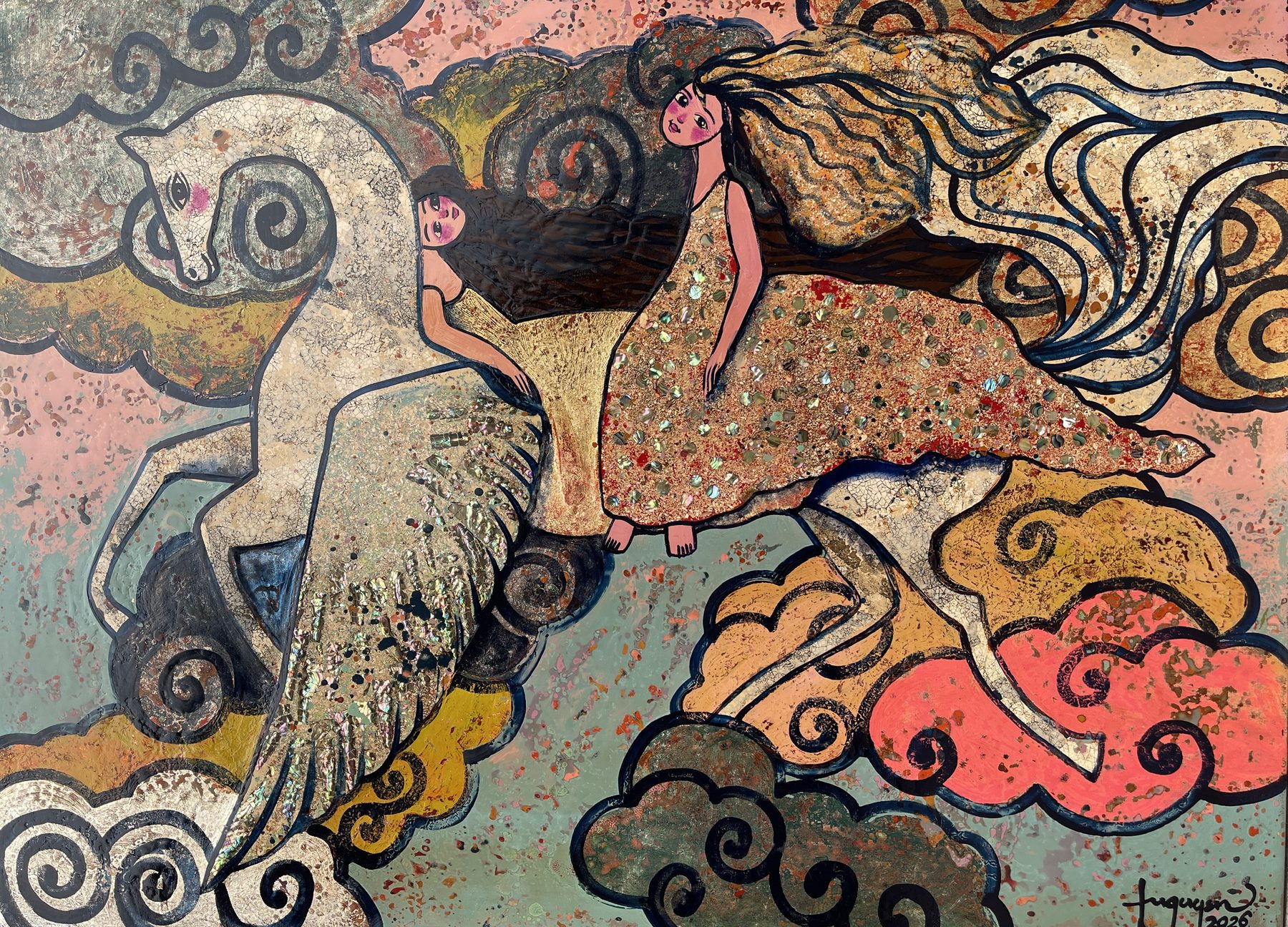
Starting from that single question, artist Tú Quyên embarked on a journey back to her early years—a time without smartphones, video games, or glowing screens. Hers was a youth spent running barefoot on dirt yards in the late afternoon, with joyous laughter echoing through small alleyways, finding pure, innocent delight in the folk games that have nurtured generations of Vietnamese people.
Through the medium of traditional lacquer, Tú Quyên recreates those rustic moments using deep, resonant layers of colour, alongside the distinctive cinnabar reds and shimmering golds that define Vietnamese lacquer art.
Each work is more than a painting—it is a doorway into the past, inviting adults to rediscover their own childhood while offering younger generations a glimpse into a beautiful way of life that once connected communities across Vietnam.
Childhood Memories gently reminds us of the importance of memory, folk traditions, and the cultural ties that shape Vietnamese identity. In today's fast-moving world, where technology is ever-present, this collection encourages us to pause, reflect, and remember that life's simplest moments often become our most treasured memories.
The Collection
Traditional Vietnamese lacquer paintings — click any work to view in detail.
VietSoul Festival Cultural Expo
Exclusively at VietSoul Festival
This collection will be exhibited exclusively at the VietSoul Festival Cultural Expo on 17 October 2026. Experience the complete VietSoul journey by attending the Gala Concert – Dấu Ấn Phù Sa. Celebrate the music, stories, and cultural heritage of Vietnam through an unforgettable evening of live performances inspired by the rivers that connect us.
Buy Gala Concert TicketsAbout Traditional Vietnamese Lacquer Painting
Traditional Vietnamese lacquer painting is one of Vietnam's most distinctive and sophisticated art forms, celebrated for its rich colors, luminous surfaces, and meticulous craftsmanship. Rooted in centuries-old lacquer techniques originally used to decorate temples, palaces, and religious objects, lacquer painting evolved into a modern fine art in the early 20th century while preserving its deep connection to Vietnamese cultural heritage.
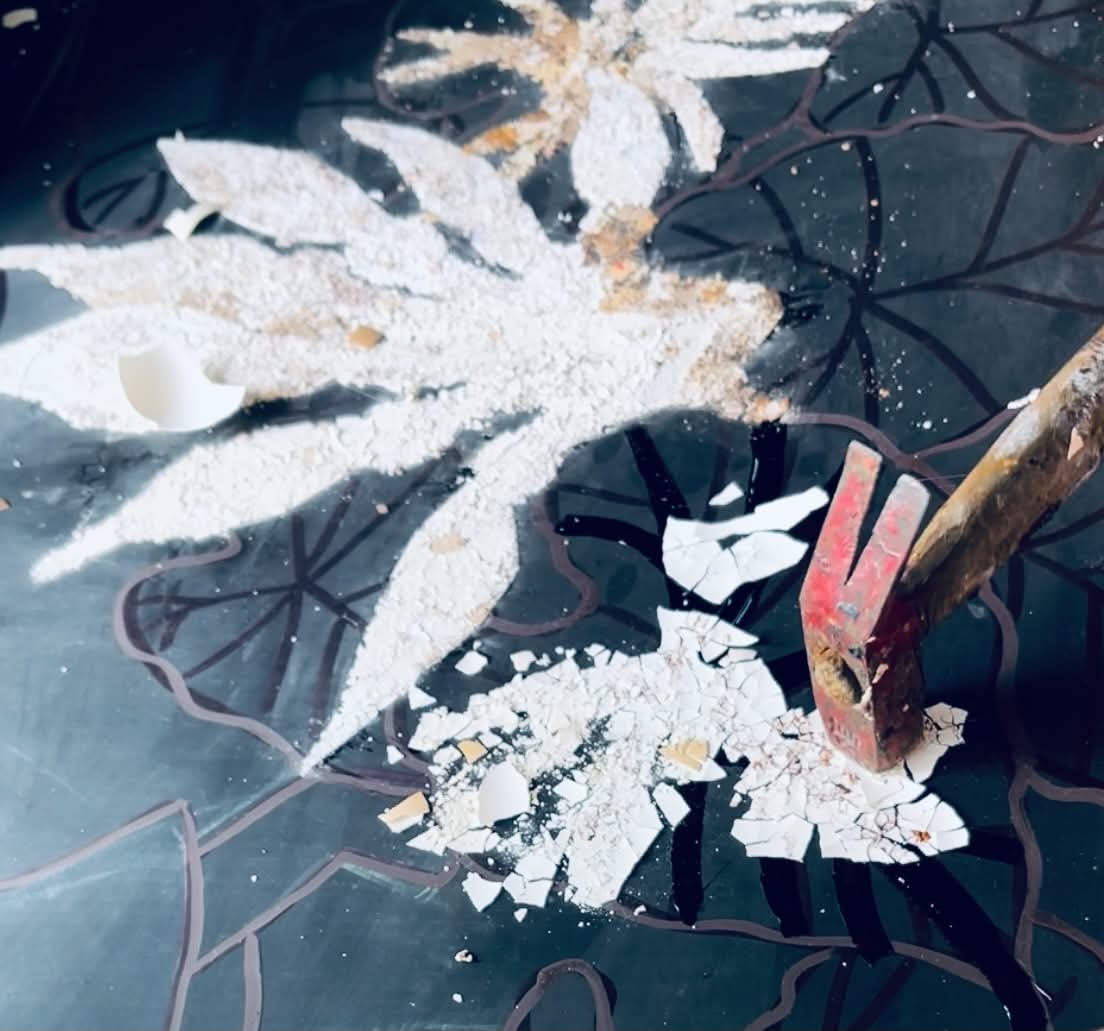
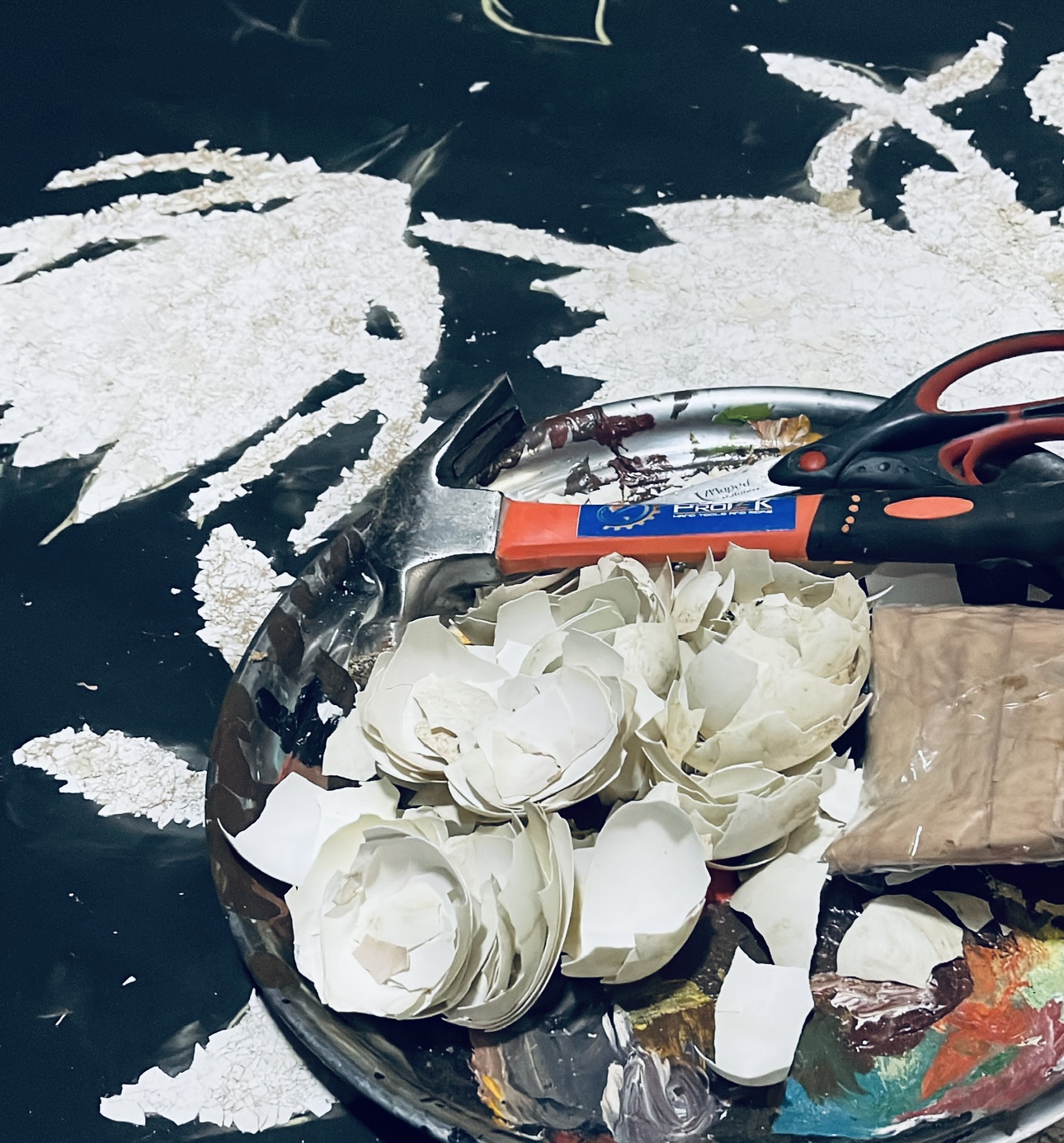
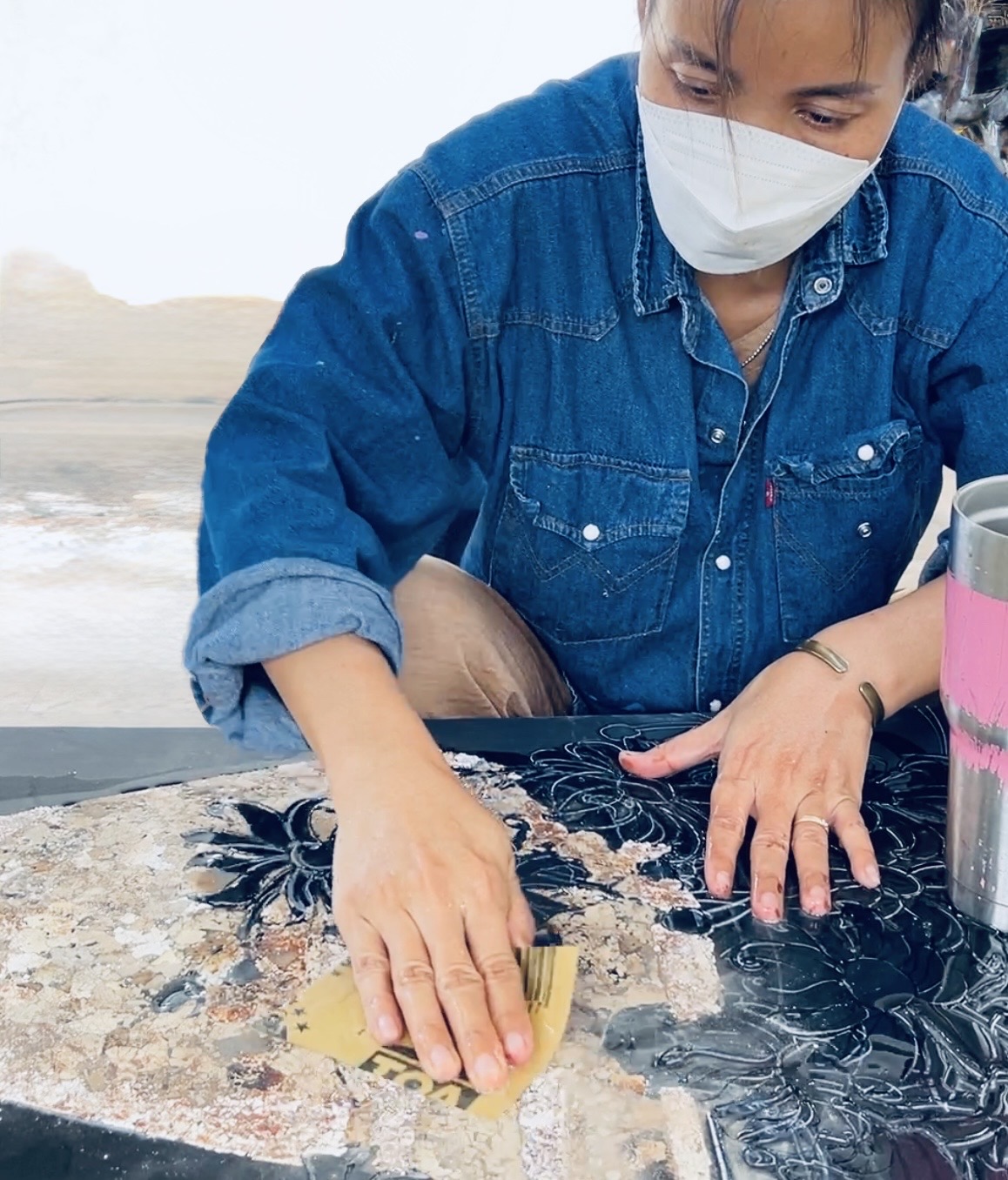
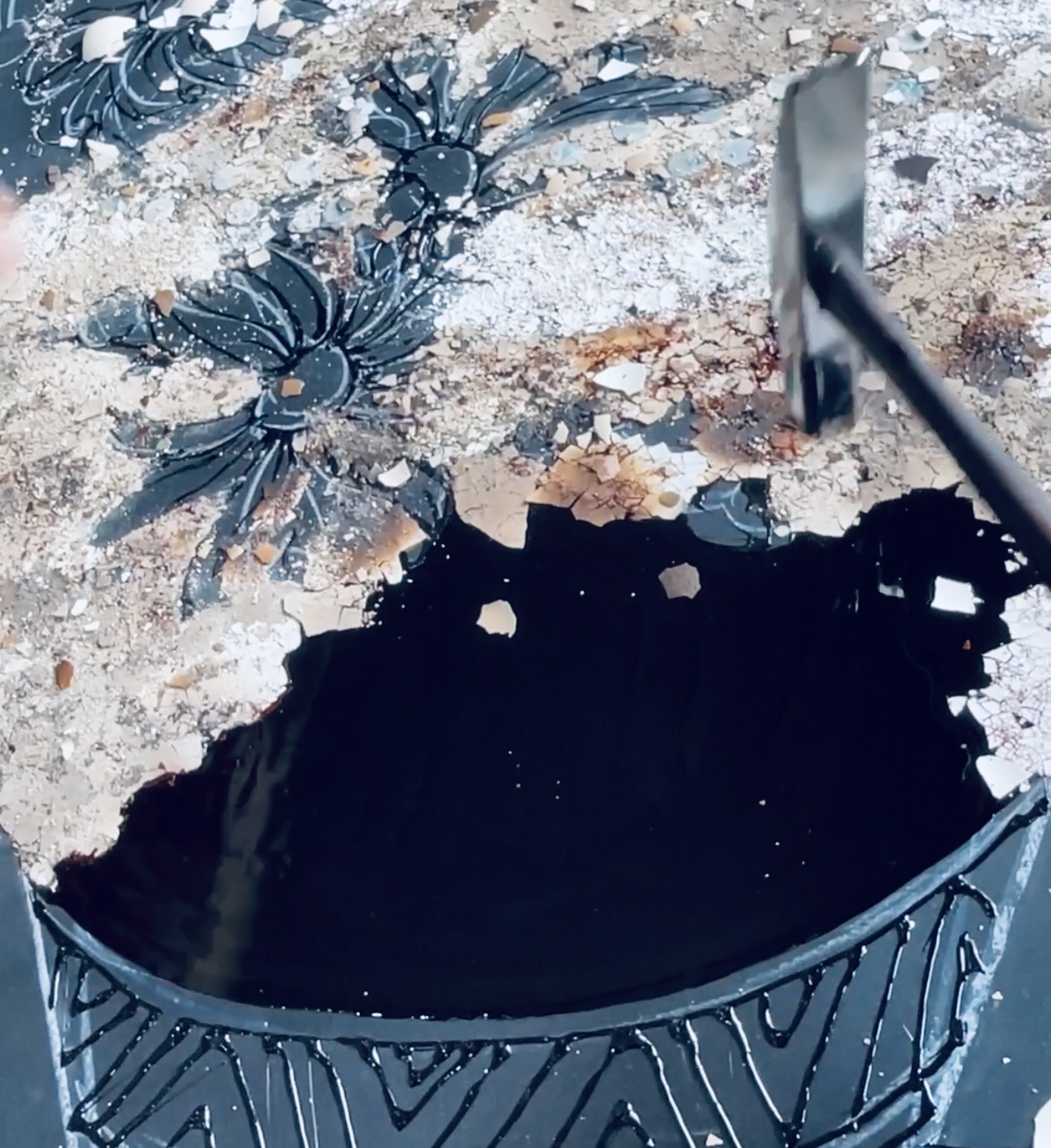
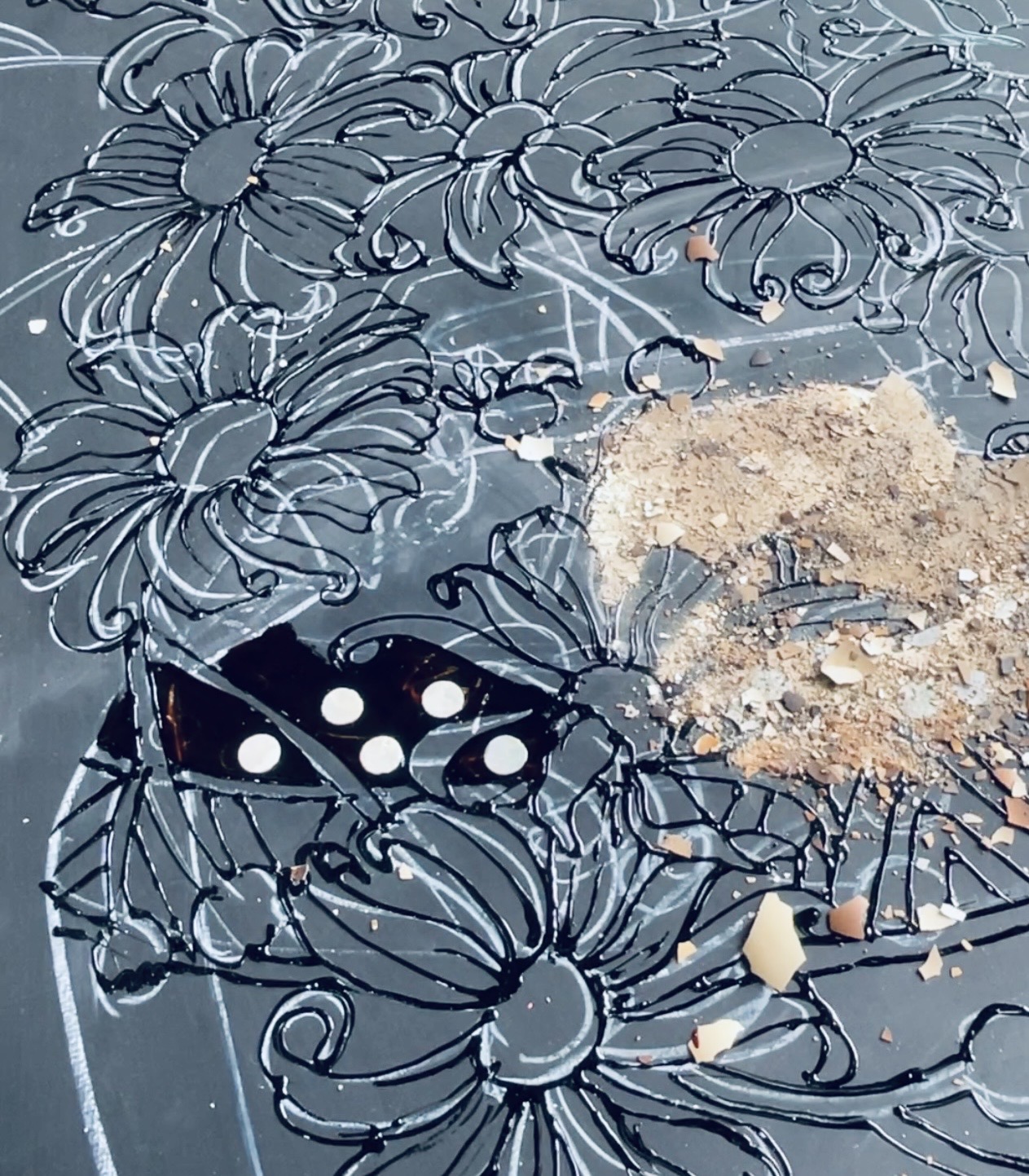
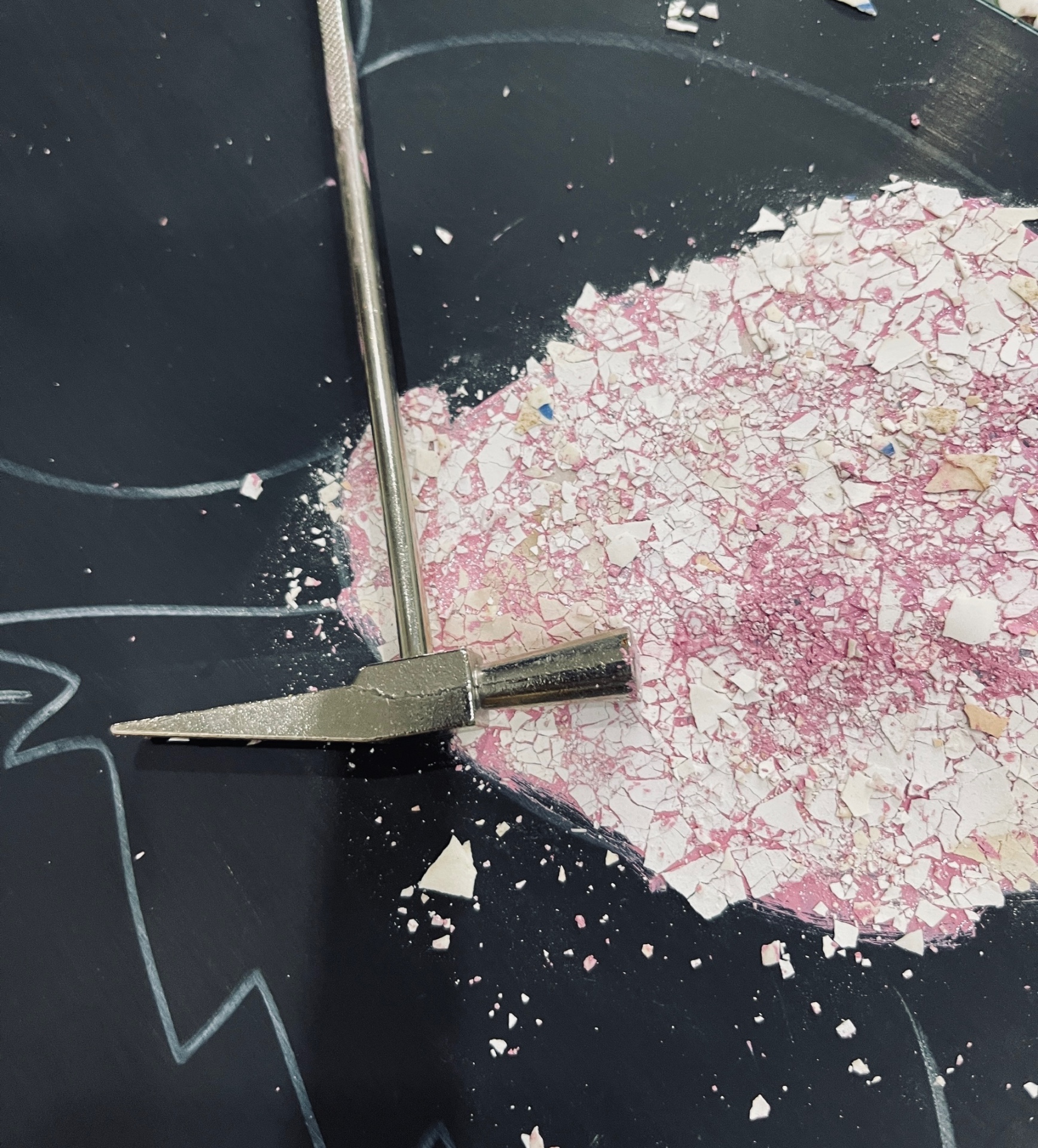
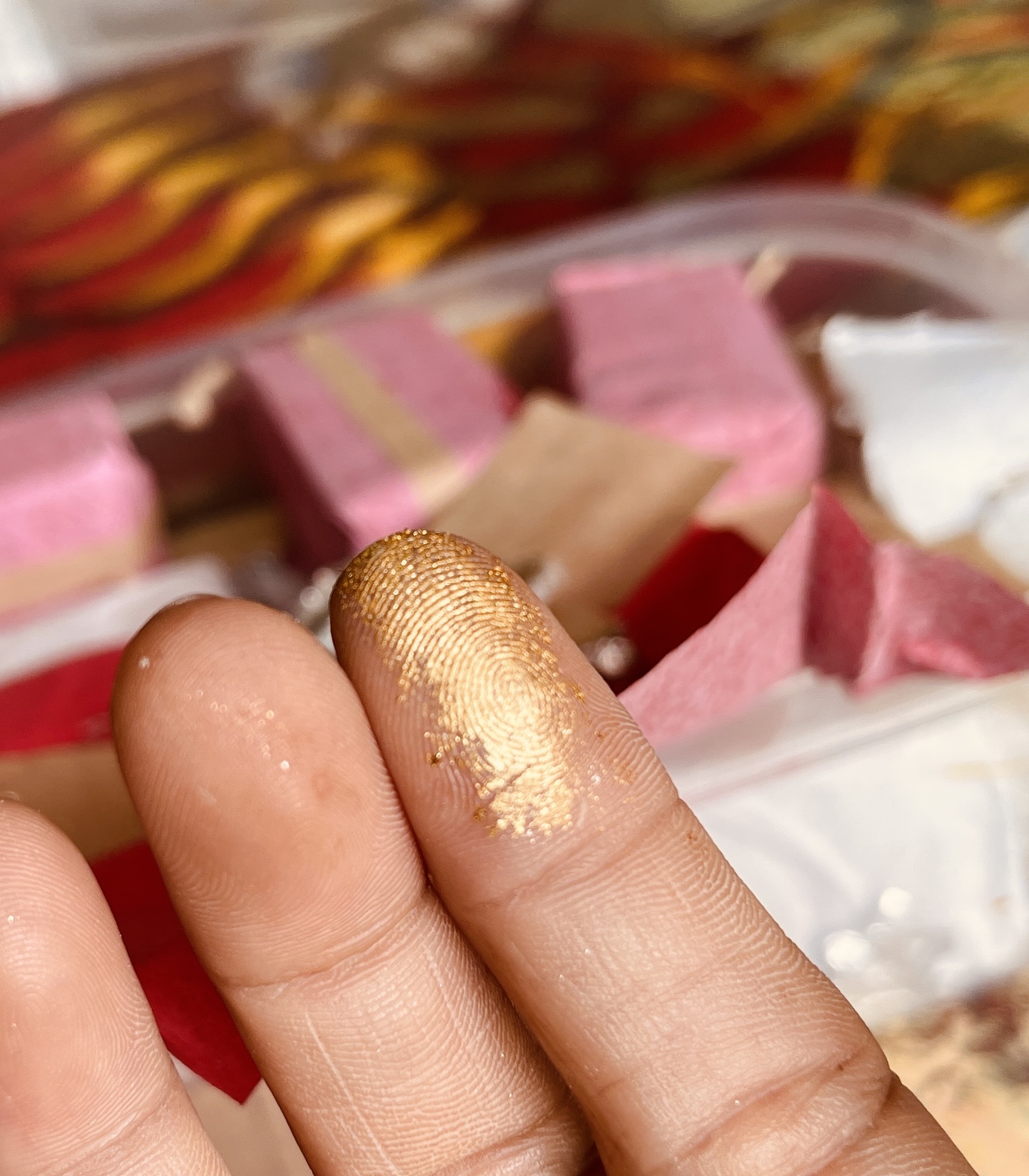
The process is highly labor-intensive and can take weeks or even months to complete. Artists apply multiple layers of natural lacquer, harvested from the Rhus succedanea lacquer tree, onto a wooden panel. Between each layer, the surface is carefully dried, polished, and refined. Materials such as gold leaf, silver leaf, eggshell, mother-of-pearl, and natural pigments are often embedded within the layers, creating remarkable depth, texture, and luminosity.
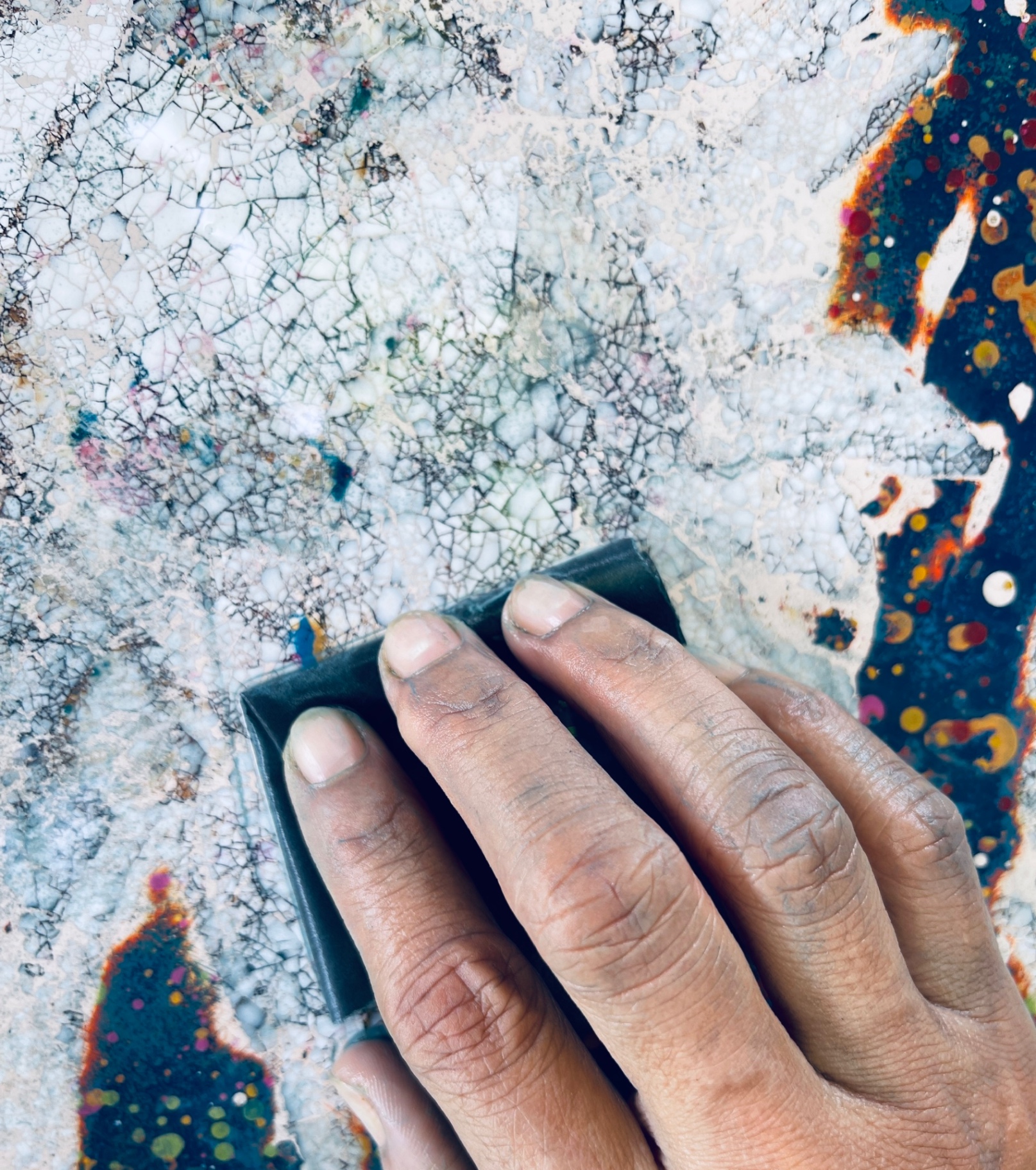
Unlike conventional painting, much of the final image is revealed through an intricate process of sanding and polishing. As the upper layers are gradually removed, hidden colors and materials emerge, giving the artwork its distinctive glowing effect and sense of depth. This unique subtractive technique makes every lacquer painting impossible to replicate exactly.
Traditional Vietnamese lacquer paintings often depict landscapes, village life, folklore, cultural traditions, nature, and themes of family, memory, and spirituality. Contemporary artists also use the medium to explore personal narratives and modern social themes while remaining rooted in traditional craftsmanship.
Today, Vietnamese lacquer painting is internationally recognised as one of Vietnam's most iconic artistic traditions, admired for its exceptional beauty, durability, and the harmonious blend of ancient techniques with contemporary artistic expression. It stands as both a symbol of Vietnam's cultural identity and a living art form that continues to evolve across generations.
Hands-On Experience
Lacquer Do-It-Yourself Workshop
Discover the traditional Vietnamese art of lacquer painting and get creative in this hands-on workshop with artist Tú Quyên. Learn about the materials and techniques behind this beautiful art form, then create your own piece to take home.
Tickets from $10 · Limited spaces available
Nguyễn Thị Tú Quyên
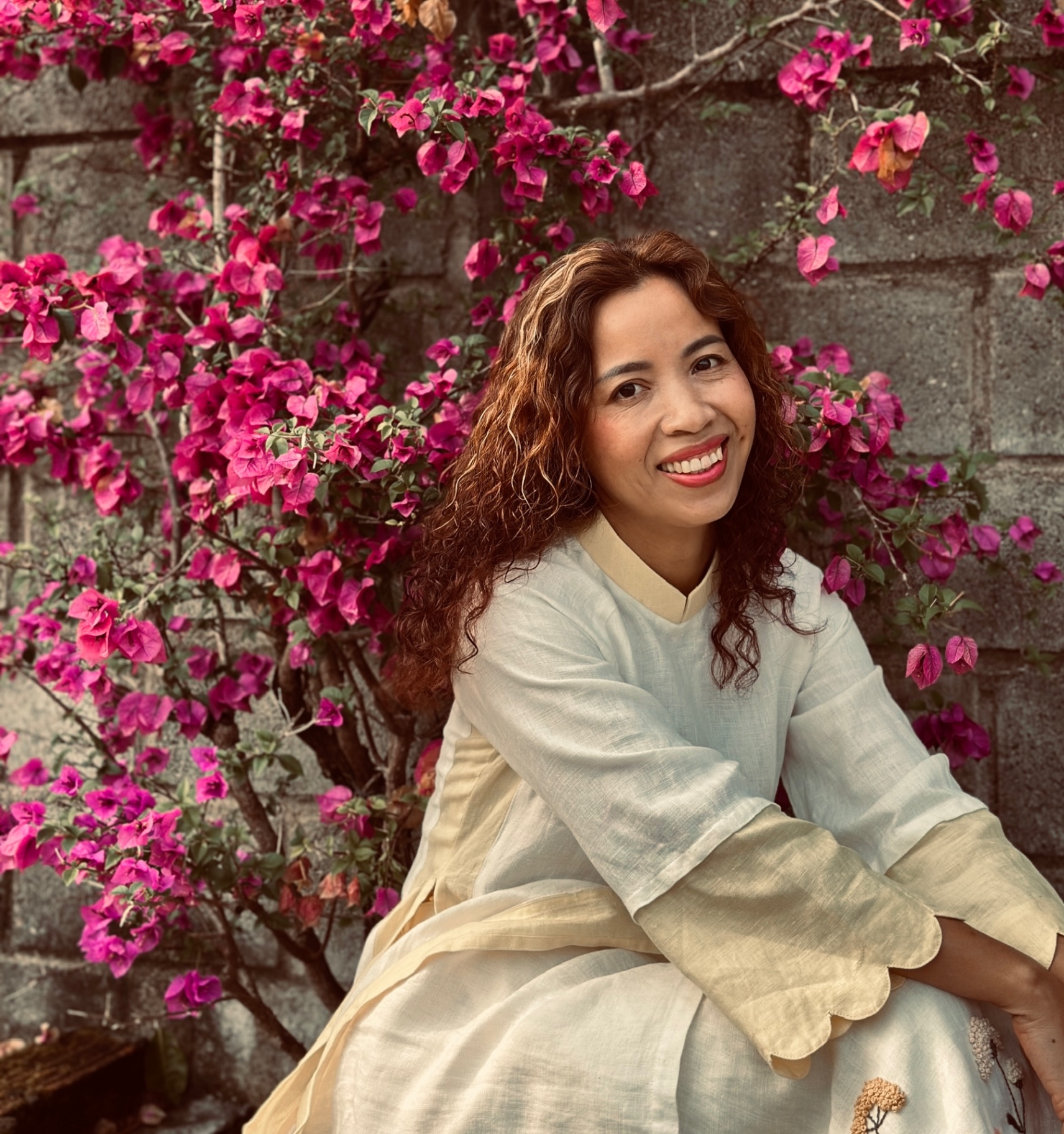
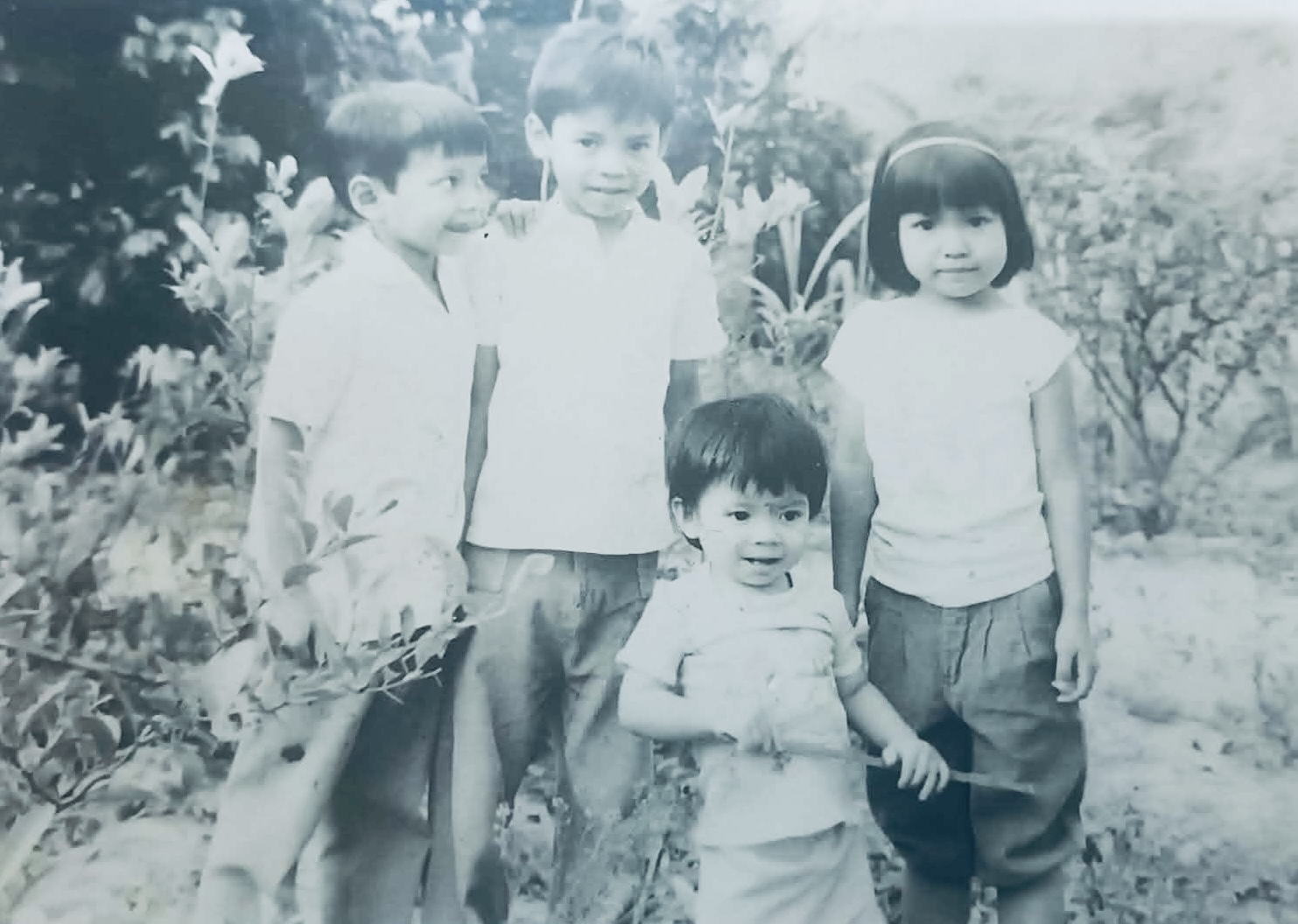
Nguyen Thi Tu Quyen was born and raised in Kon Tum, in Vietnam's Central Highlands, a region renowned for its pristine natural beauty and rich indigenous cultures. As the only daughter among four siblings, she grew up surrounded by her brothers, numerous cousins, and a close-knit extended family. Her mother was one of fourteen siblings, with much of the extended family living within the same community.
Her childhood was shaped by the gentle Dak Bla River, expansive fields, lush gardens, and the warmth of family life. Although life was modest, it was filled with joy and imagination. Nature became her playground, where branches, leaves, corn cobs, and everyday objects were transformed into toys through creativity and curiosity. These treasured experiences nurtured her sensitive spirit, deep connection to her homeland, and lifelong appreciation for the simple beauty of everyday life—qualities that continue to inspire and define her artistic practice.
After graduating from the Hue University of Arts in 2006, Tu Quyen earned a Master of Visual Arts from Mahasarakham University, Thailand, in 2012. She chose Vietnamese lacquer painting, one of Vietnam's most distinctive traditional art forms, as her primary medium. Her works have received numerous awards and have been exhibited in Vietnam and internationally.
Today, Tu Quyen lives in Thailand with her husband, also an artist, and their two sons. Alongside her creative practice, she teaches fine arts, sharing her passion with younger generations. For her, art is a bridge between tradition and modernity, connecting Vietnamese cultural identity with the international community. Each work is a tribute to her childhood, her family, and the enduring values that shaped her artistic journey.